
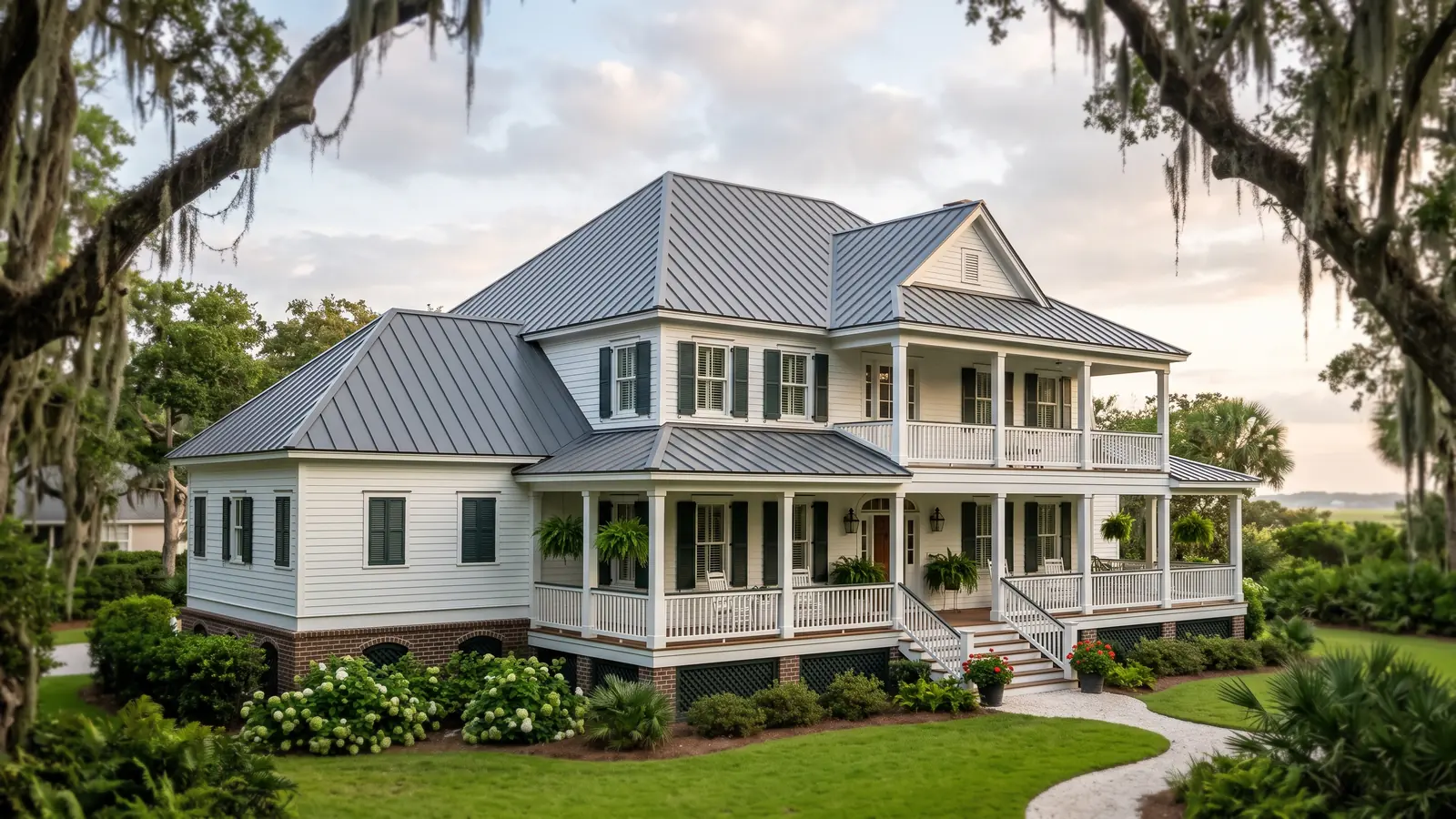
SC Safe Home Roof Project Types
State law sets the grant levels for roof work, and the level sets the most the grant can pay. The figures below are the caps in the statute and the Department of Insurance's current FAQ. A cap is a ceiling, not a promise: the award depends on household income, the project cost and whether the year's money is still there.
Resilient Roof Projects (FORTIFIED and Safe Home)
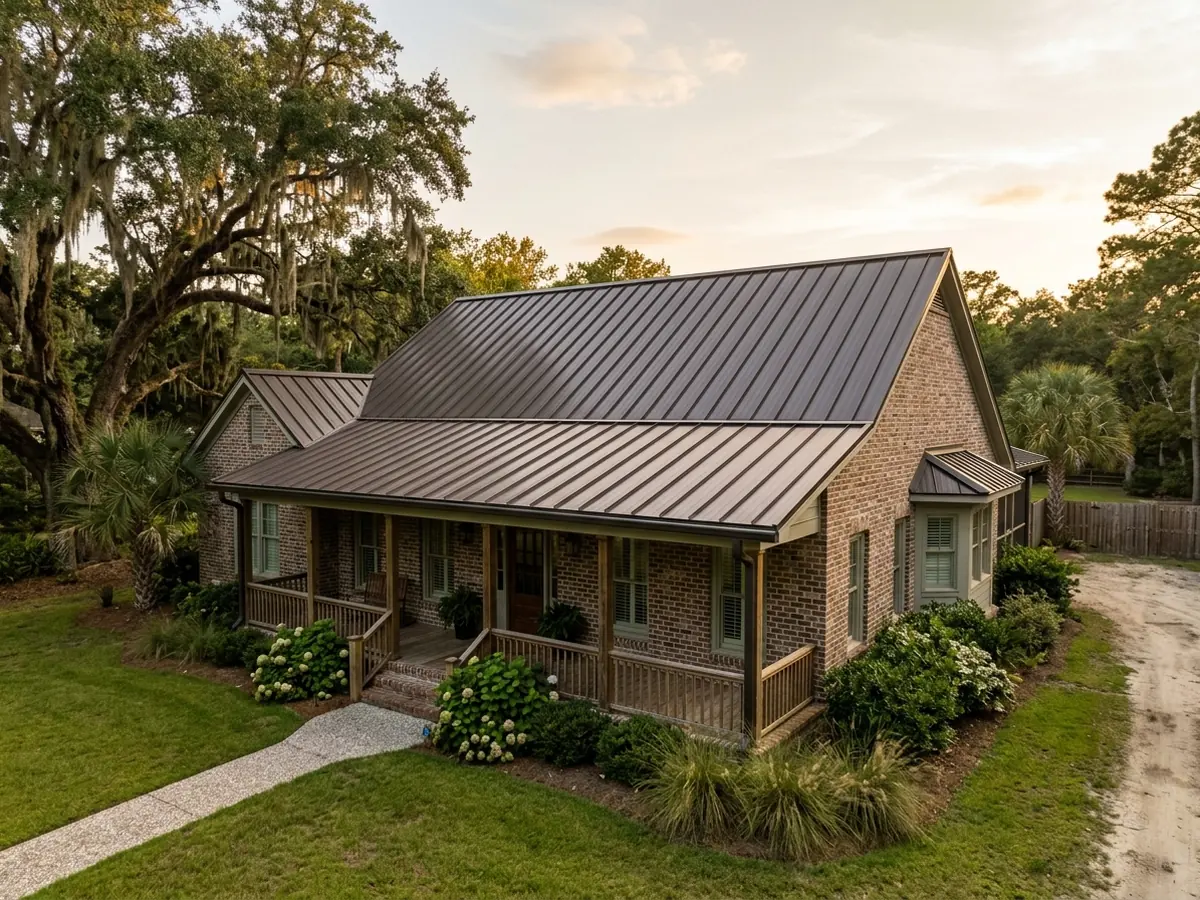
A Resilient Mitigation award is for a roof retrofit that meets both the SC Safe Home retrofit guidelines and the IBHS FORTIFIED Roof guidelines. The statute caps it at $7,500 for a nonmatching grant and $6,000 for a matching grant. Most roof money goes to this tier. In fiscal year 2025-26 the program issued 733 Resilient grants totaling $5,557,500, against 69 Sustainable grants, a tier that also takes in impact windows and doors. What a FORTIFIED re-roof involves (deck nailing, a sealed deck, edge metal, wind-rated metal panels) is on Hurricane Metal Roofs.
Sustainable Roof Projects
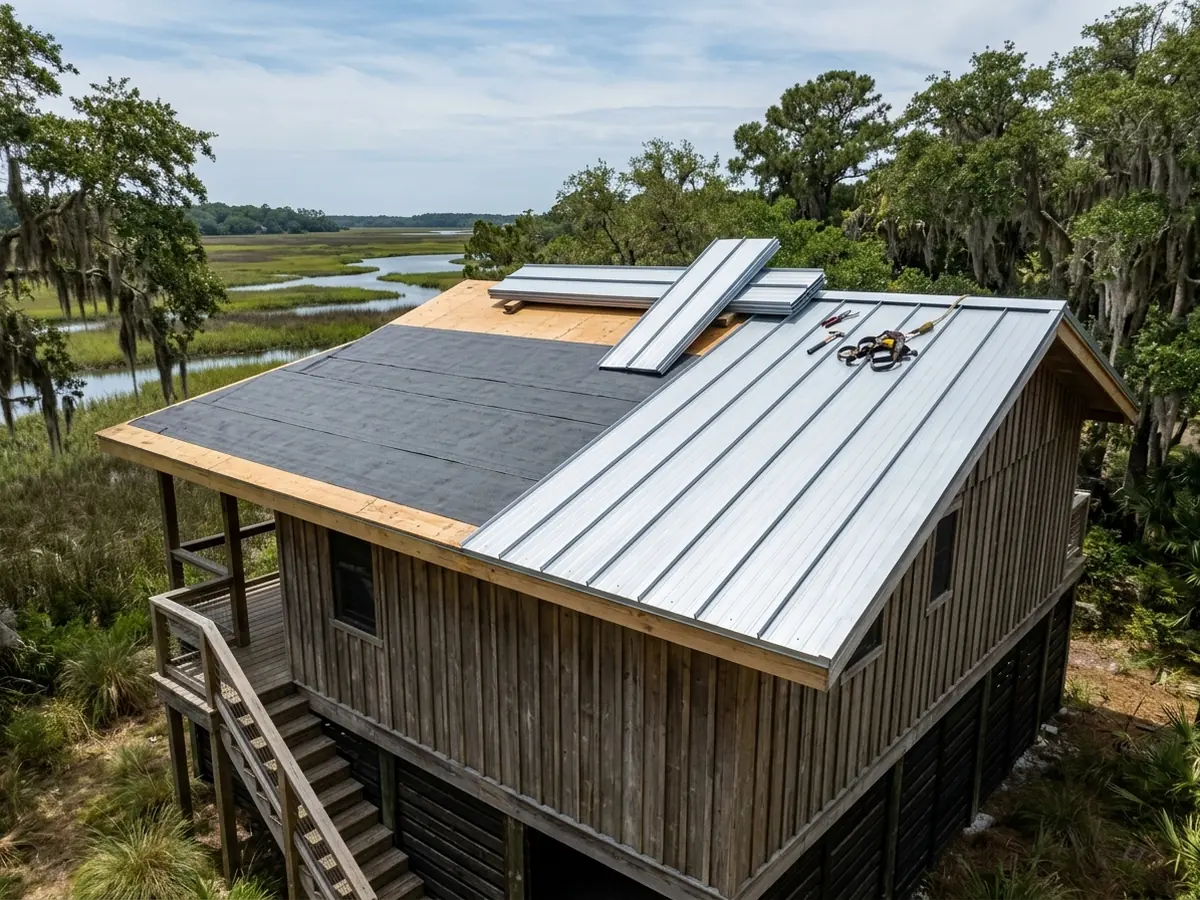
A Sustainable Mitigation award covers roof retrofits that meet the SC Safe Home guidelines only, without the FORTIFIED designation. The cap is $5,000 nonmatching or $4,000 matching. The same tier also covers window replacement and opening protection, and shutters alone have a separate $3,000 cap.
Deck Attachment and Roof-to-Wall Retrofits
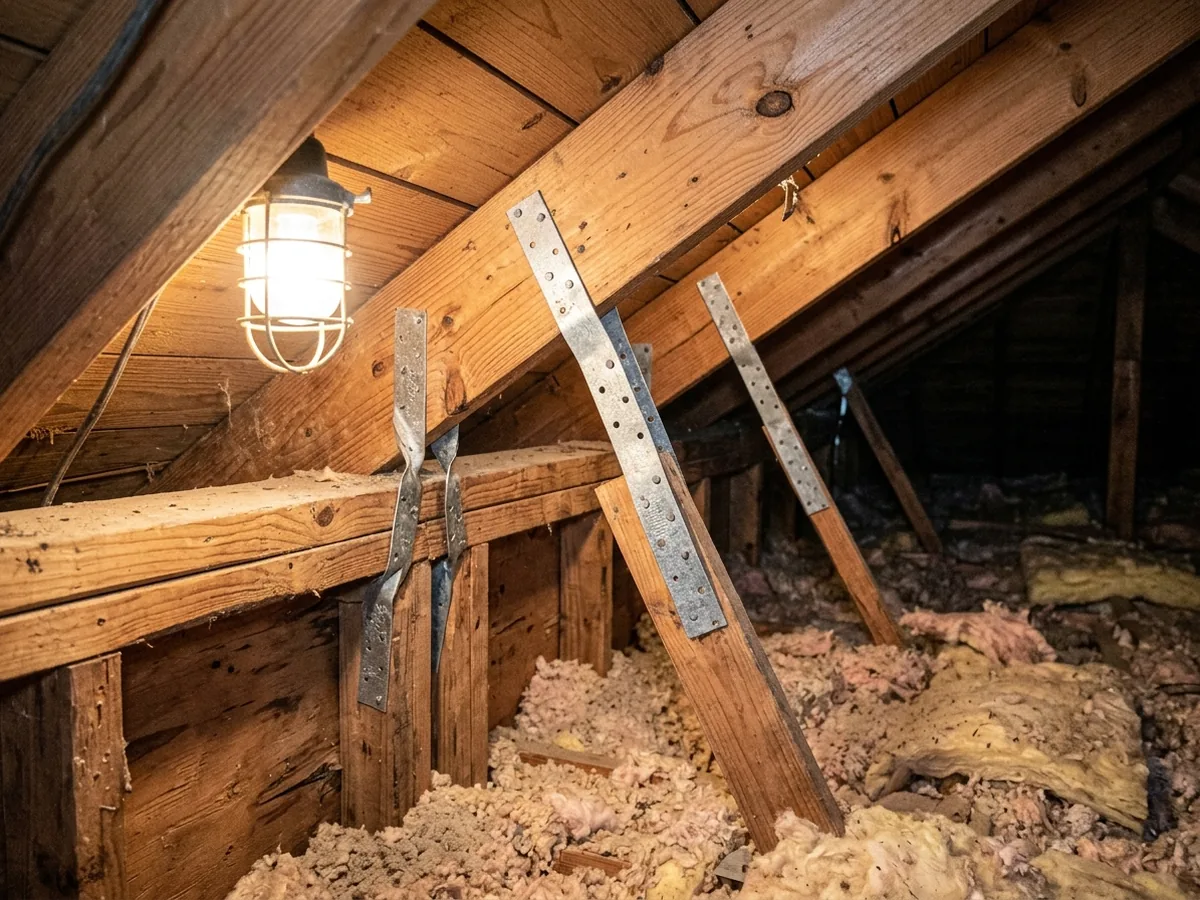
The grant isn't only for the visible roof. The program guidelines list roof deck attachment, a secondary water barrier, the roof covering, gable-end bracing and reinforcement of roof-to-wall connections among the eligible improvements. On a metal re-roof these jobs happen while the deck is open anyway. Ask for them priced as separate lines so the inspection report and the estimate match.
Why Charleston homeowners call Charleston Metal Roofing Co.
- Estimate at no cost to you
- Metal, seam and fasteners named on paper
- Your request goes to a single local roofer
- Referral is free; you pay only the roofer you hire
SC Safe Home Eligibility in Charleston
Charleston County is one of the 11 coastal and near-coastal counties the program serves, alongside Beaufort, Berkeley, Colleton, Dorchester, Florence, Georgetown, Horry, Jasper, Marion and Williamsburg. Beyond the county, the Department of Insurance lists these conditions:
Owner-occupied primary residence
Single-family site-built, manufactured or modular homes. Duplexes, apartments, townhomes and rented homes don't qualify.Insured
A current homeowners policy is required.No existing damage
A roof that is already damaged doesn't qualify, so storm repairs are a matter for your insurer first (see Storm Damage Roof Repair).One grant per home and owner
A home and homeowner who have already used a grant can't get another.Inspected
The home must pass the program's wind and hurricane mitigation inspection.
Whether the grant is matching or nonmatching depends on household adjusted gross income, adjusted for family size and compared with HUD county or state figures. The Department posts an award estimator for a rough figure, and says its results aren't guaranteed.
SC Safe Home Application Steps
The Department of Insurance's FAQ sets out the order. Doing the steps out of order is the usual way people lose the grant.
STEP 01
Apply Online First
Apply through the SC Safe Home portal with your latest IRS Form 1040, your insurance declaration pages and your county property tax assessment. A retrofit estimate goes in with the application. Don't book or pay for a wind inspection before you apply.
STEP 02
Wind Inspection by a Listed Inspector
After approval, you pick an inspector from the program's participating list. You pay the fee directly: up to $150 for homes to 1,500 sq ft, $200 to 2,000 sq ft and $250 above that.
STEP 03
Award Letter and Signed Agreement
With the award letter in hand, you choose an SC Safe Home certified contractor and sign an agreement for the retrofits in the letter. The signed agreement goes to the program before any grant-funded work starts. Ask any contractor you consider whether they are on the participating list, and for proof of insurance and licensure.
STEP 04
Work Within Three Months
The improvements are due within three months of the award letter. One three-month extension may be allowed if circumstances warrant it.
STEP 05
Final Payment
The program pays the contractor once, after all the work is complete, and may inspect before paying. Every funded project needs all local permits and inspections. Anything above the grant is the homeowner's share.
SC Safe Home Funding and Program Changes
The program is popular, and its money runs out. The Department says it stops issuing new grants once the year's funds are gone, and the portal's status bar shows whether applications are open (green), limited (yellow) or closed (red). Charleston and Berkeley counties together take 27% of program funds, and the state's June 2026 report names Charleston as one of the two counties least likely to see grants cancelled for lack of homeowner funds.
The caps have changed before: older program guidelines capped roof grants at $5,000, and the statute now sets the higher Resilient figures. Treat every number on this page as a snapshot and confirm the current terms with the SC Department of Insurance before you budget around a grant. Nothing here means a particular home will qualify.
One more step costs nothing. South Carolina requires home insurers to tell policyholders, at each new policy and renewal, which premium discounts or credits are available for construction that reduces windstorm losses. Ask your insurer what a FORTIFIED or upgraded roof would change on your policy.
See Hurricane Metal Roofs in Charleston. See Metal Roof Replacement in Charleston.